A New Model for Community-Centered Development
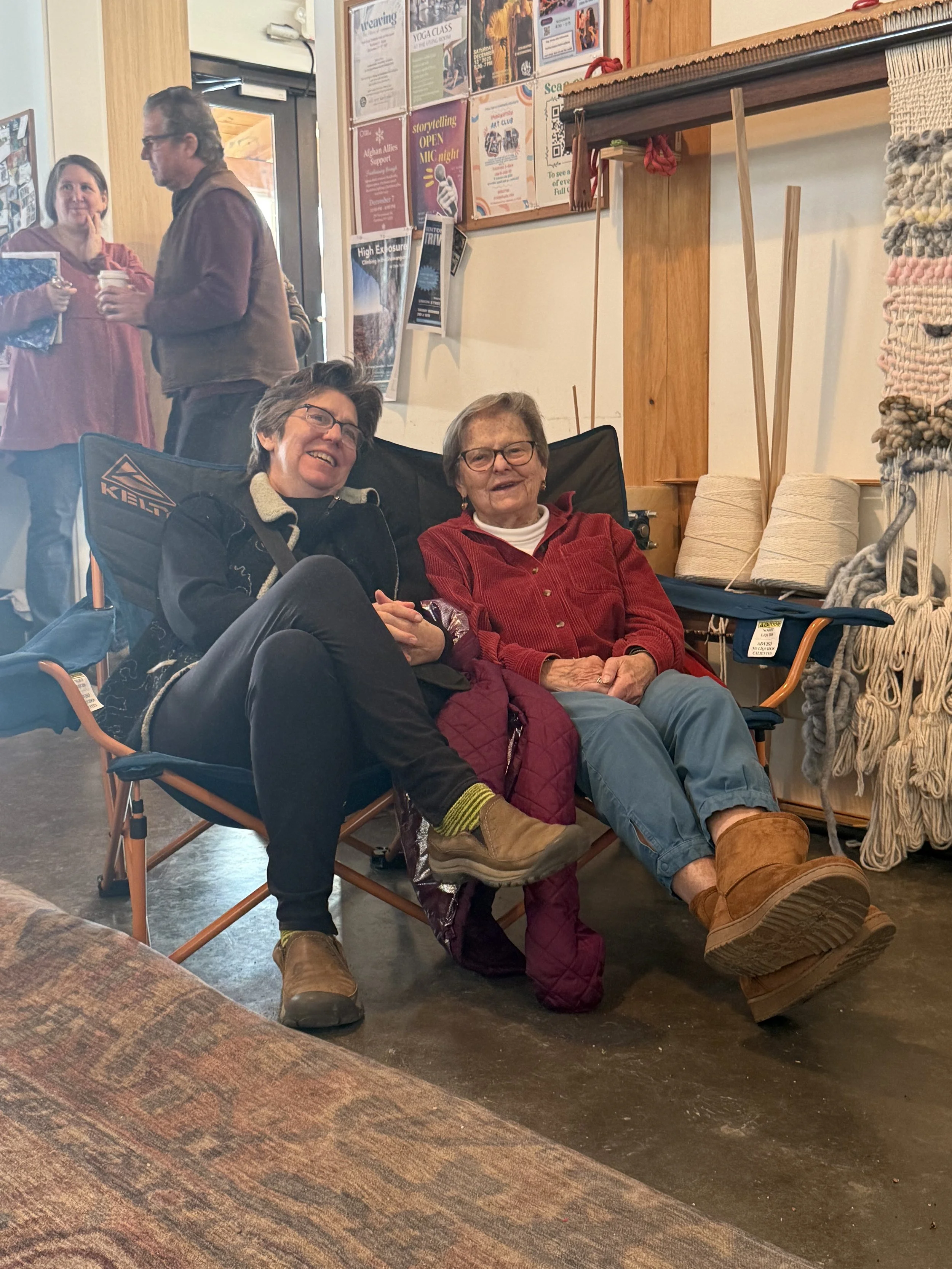
Full Circle Commons is not simply a collection of buildings or businesses. It is a place-making model designed to strengthen the social fabric of a community—bringing people together through shared space, local enterprise, creativity, and everyday connection.
We’ve been approached by individuals and development teams interested in creating something similar in their own communities. This page offers a high-level overview of the principles behind Full Circle and how we engage with aligned partners.
What Makes Full Circle Different
Most mixed-use developments organize around efficiency and revenue.
Full Circle was designed around a different set of questions:
What makes people feel welcome?
What makes people stay?
What encourages interaction across ages and backgrounds?
What creates a sense of belonging?
The result is a place where:
businesses, shared spaces, and programming reinforce one another
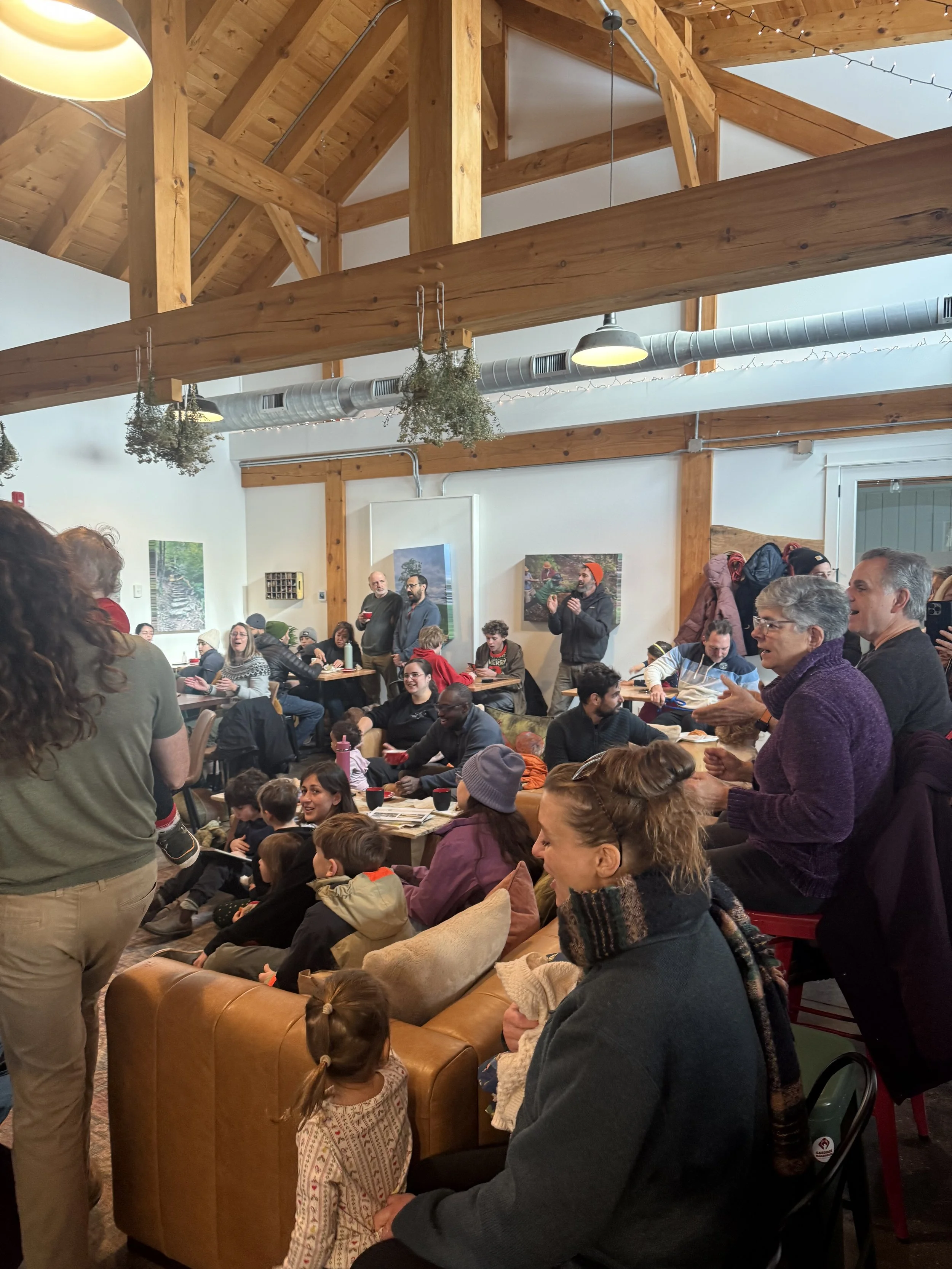
people can gather without needing a specific purpose
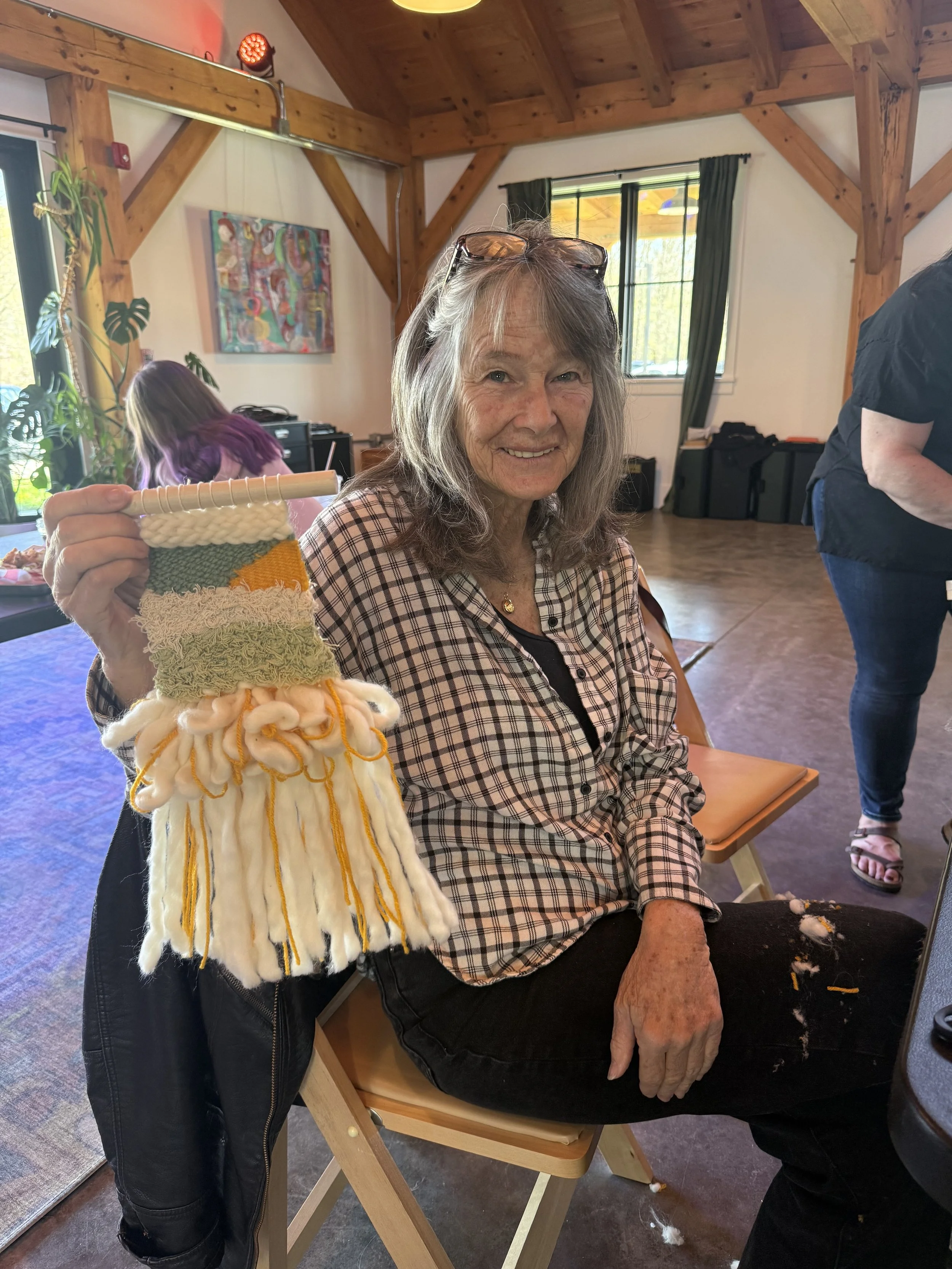
creative, social, and everyday life overlap
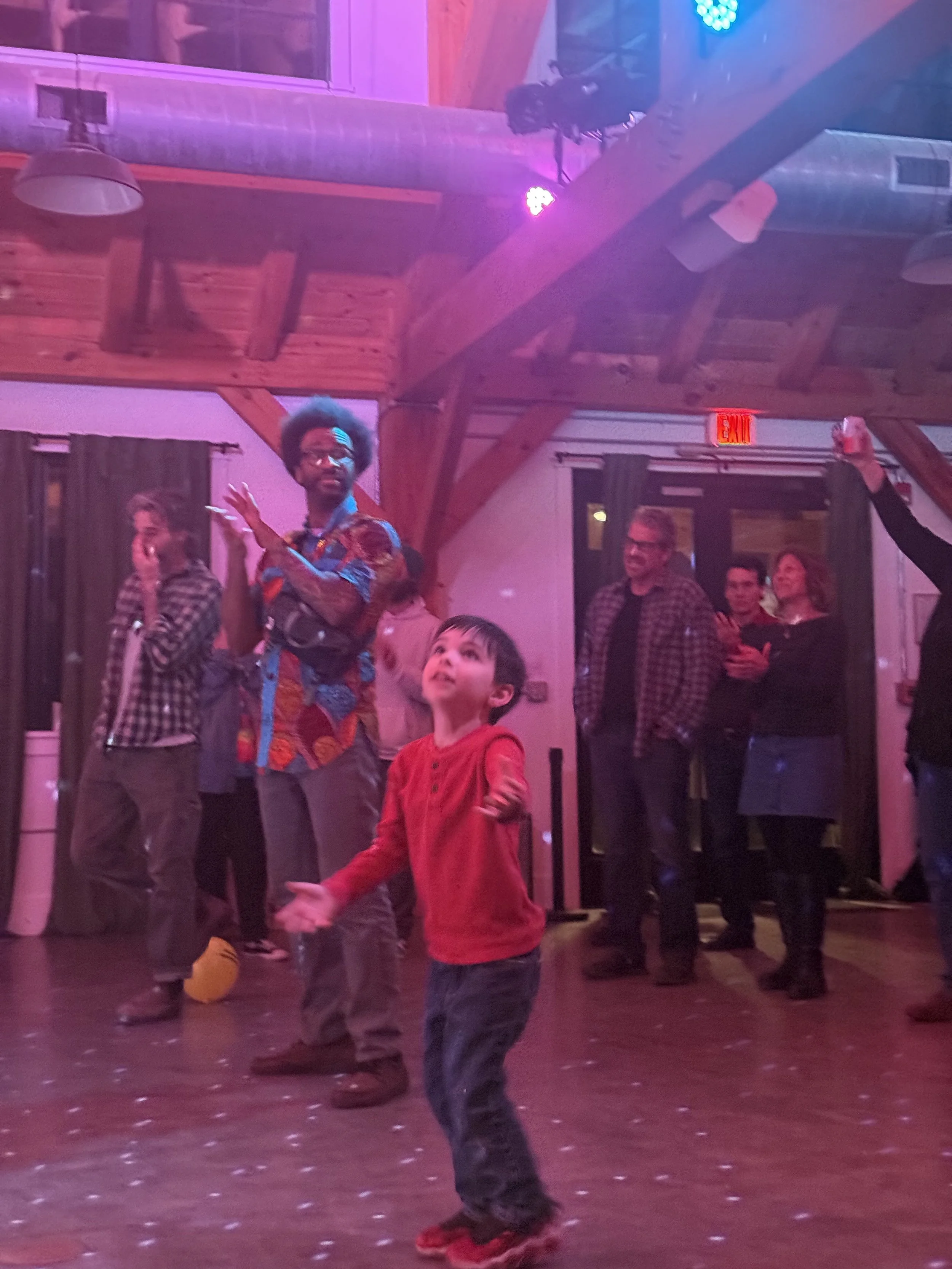
the environment itself encourages connection
This model cannot be replicated through aesthetics alone—it depends on alignment between design, partners, programming, and long-term intention.
Core Principles
The Full Circle model is guided by a set of principles developed through real-world implementation.
These include:
Human-Centered Design
Spaces are designed for how people feel and interact—not just how they function.
Permeable Boundaries
Spaces and uses overlap intentionally, allowing for flexibility, spontaneity, and shared ownership.
Local, Values-Aligned Partners
Businesses are selected not only for viability, but for their role in shaping the culture of the place.
Shared Civic Life
Programming, gathering, and informal use are treated as essential—not secondary.
Stewardship Over Extraction
The long-term success of the place depends on protecting its community-serving purpose.
What We’ve Learned
Full Circle was built through a deeply hands-on process involving:
site planning and spatial design decisions rooted in human behavior
navigating planning boards and local regulations
selecting and working with contractors and collaborators
identifying aligned business partners
developing shared space strategies
building a programming ecosystem from the ground up
Through this process, we’ve developed a clear understanding of what strengthens a place like this—and what quietly undermines it.
Not all approaches that look similar produce the same result.
Why This Model Matters Now
Communities across the country are experiencing increasing isolation and fragmentation.
Places that support:
connection
intergenerational interaction
creative expression
and a sense of belonging
are no longer a luxury—they are essential.
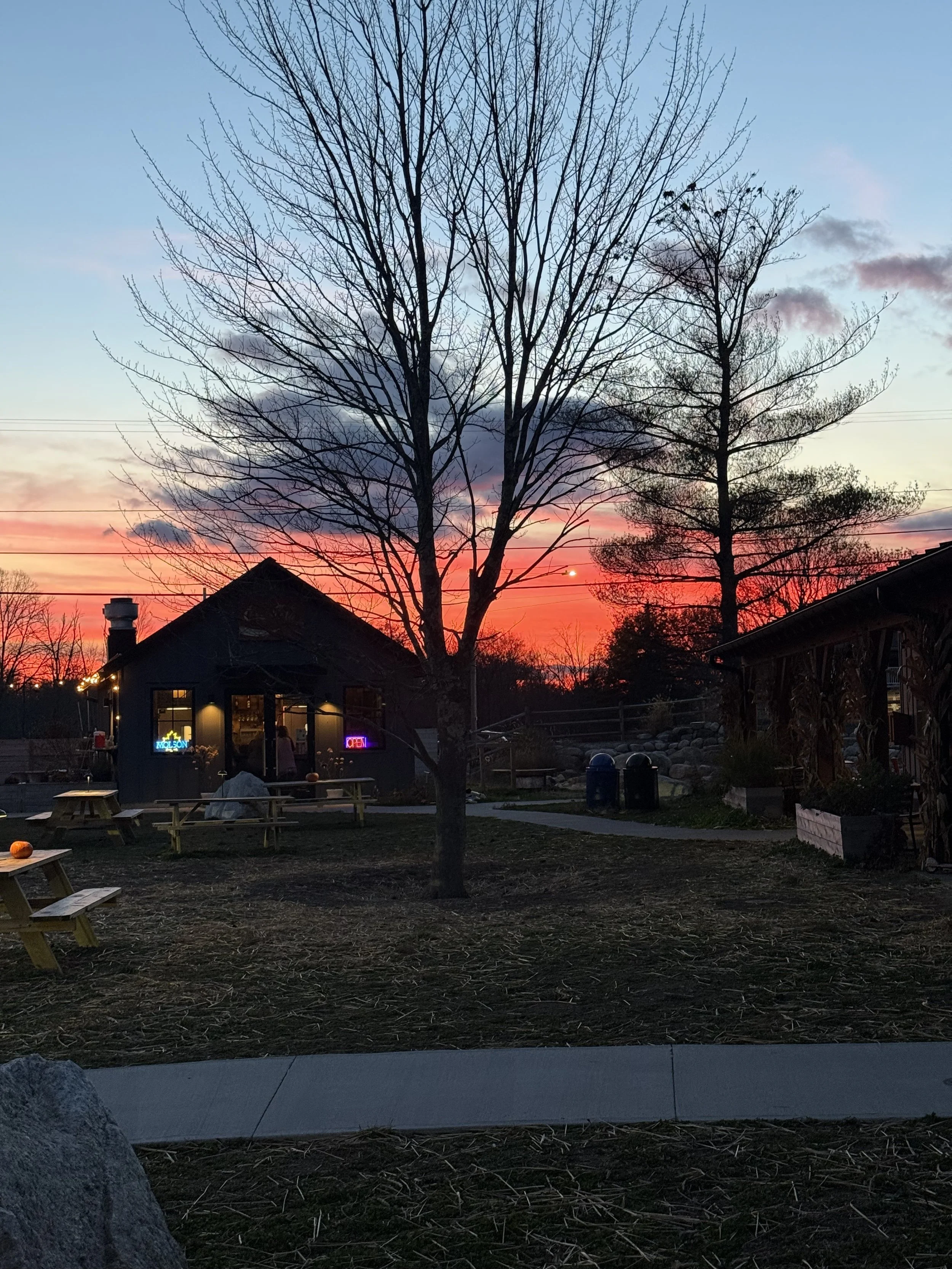
Full Circle is one example of how physical space can be intentionally designed to support these outcomes.
Working With Us
Creating a place like Full Circle requires more than replicating features—it requires understanding the underlying patterns and decision-making framework that shaped it.
Mike Benevento, founder of Full Circle, led the development of the Gardiner site from initial concept through design, construction, partnership development, and ongoing stewardship.
He now offers to work with a small number of aligned partners interested in creating similar projects, offering insight into:
site layout and spatial relationships
partner and tenant alignment
shared space strategy
programming integration
planning and implementation considerations
long-term sustainability of the model
Where We Start
We typically begin with an exploratory conversation to understand:
your vision for the project
the characteristics of your site and community
your goals and constraints
From there, we can determine whether there is alignment and what level of engagement makes sense.
Reach out to start the conversation:
If you’re interested in exploring a project inspired by Full Circle, we’d be glad to connect.
We are thoughtful about the projects we engage with and prioritize alignment in values and intention.
The Full Circle model and framework were developed through the work of Mike Benevento and the Full Circle Commons team. We ask that any projects drawing from this approach engage directly with us to ensure integrity of the model and its intended impact.